People say they have a black thumb like it is destiny. Usually they are just overwatering. Wet roots rot, droopy leaves get misread as thirst, and the poor thing gets drowned twice.
Fix the watering and you fix most of the drama.
Water less than you think you should
Do not water on a calendar. Water when the top inch of soil is dry. Stick a finger in the pot. If it still feels cool or damp, leave it alone.
For pothos, ZZ plants, snake plants, and rubber figs, that usually means every 7 to 14 days in warm months, less in winter. Some will sit happily for three weeks when the light is low and the air is cool.
When it is time, soak the soil fully until water runs out the bottom. Then empty the saucer after about half an hour. Roots like moisture, not a swamp.
Light is the variable most people underestimate
Low light means survives there. It does not mean loves it. Most houseplants want bright indirect light, a room with real daylight but no harsh noon beam scorching the leaves.
Start near a window and pay attention. Pale, crispy leaves mean too much direct sun. Long weak growth means the plant is reaching for more light.
Soil matters more than the pot
Nursery soil is built for shipping and shelf life. At home, especially in apartments, that dense mix can stay wet too long and turn the roots miserable.
Sol Soils makes chunkier, faster-draining mixes that suit tropical houseplants better. The extra airflow around the roots cuts down the rot risk fast. It costs a little more and saves a lot of guesswork.
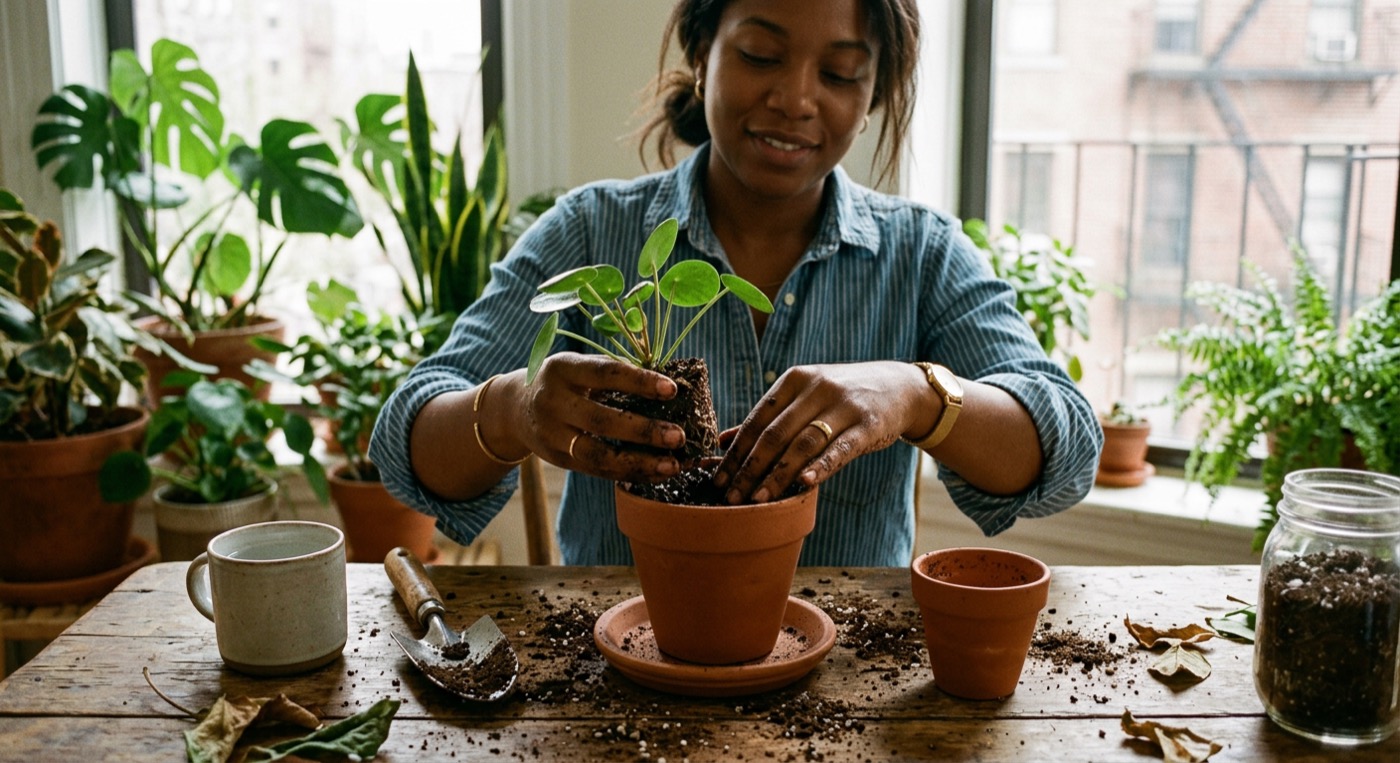
Chunky, fast-draining, and much harder to overwater than basic potting mix. One bag fixes a lot of beginner mistakes.
Find on Amazon →The best place to buy plants
The Sill is good at the starter zone. Plants arrive healthy, the care cards are clear, and the selection is tilted toward things that can actually live indoors without a hostage negotiation.
Bloomscape is stronger when you want something bigger. A real snake plant, a decent fiddle leaf fig, something with presence. Their shipping is reliable and the guarantee helps.
If you have a local nursery, start there. You can inspect the leaves, the soil, the stems, the whole situation. Look for clean foliage, firm soil, and a plant that looks healthy now, not full of potential.

Healthy starter plants, useful care cards, good packaging. Best when you want something small to medium and would rather not gamble.
Shop The Sill →The plants least likely to die on you
- Pothos: forgiving, fast-growing, and happy to trail off a shelf.
- ZZ plant: low drama, sculptural, almost rude about how little it asks.
- Snake plant (Sansevieria): handles low light, handles dry spells, minds its business.
- Rubber fig (Ficus elastica): glossy leaves, steady growth, easier than it looks.
- Monstera deliciosa: give it decent light and it pays you back with big split leaves.
Start with one plant. Learn its rhythm. Then bring home another. Hush ya fuss.

