There's a moment, right after someone leaves a room, when you can still tell they were there. Not from anything visual. From something that settled into the air and is only now beginning to fade. If you've ever caught that and felt something. Recognition, comfort, a specific kind of ache. You already understand why scent is the most intimate choice a person makes about how to show up in the world.
This is not about smelling good. Most people smell fine. This is about the thing that makes you recognizable. The sensory detail that travels ahead of you and lingers after you're gone. It's one of the few aspects of your presence that other people experience without deciding to.
The question of how to find your signature scent doesn't get answered the same way twice, because the answer isn't really inside the bottle. It's in you. But there are ways to make the search feel less like wandering a department store in a cloud of paper strips and more like a slow, pleasurable process of editing toward something true.
Start with what you already reach for
Most people have instinctive scent preferences without realizing they're assembling a profile. You love the way old bookstores smell. Sandalwood candles burning low. Warm cedar. The specific dryness of a room after the heat clicks off. These aren't accidental. They're data.
Pay attention to what you gravitate toward in ordinary life and let those impressions become a compass. Niche fragrance, the world of independent and artisan houses that sits apart from the designer counters at department stores, is organized around exactly these kinds of materials. Notes, accords, families. Once you learn even a little of the language, the map becomes easier to read.
The broad families are woody (sandalwood, cedar, vetiver), floral (rose, jasmine, iris), oriental (amber, musk, spice), and fresh (citrus, green, aquatic). The most interesting fragrances live in the overlap between two or three. That's where things get complicated in the best possible way.
The testing problem
Fragrance counters are not designed for discovery. They're designed for transactions. Strip after strip of paper, a coffee bean to reset your nose, decisions made under fluorescent lighting on a Tuesday when you're already tired.
The better approach: sample widely, wear with patience, decide slowly.
Most niche houses offer samples or small discovery sets, often for ten to twenty dollars. Order a few things that genuinely interest you. Wear one for a full day. Not a spray on your wrist in the morning and a verdict by noon. A full day. Because fragrance moves through three distinct phases: the opening (the first ten to twenty minutes, the most volatile top notes), the heart (what develops once the initial brightness fades, usually an hour in), and the dry-down (what remains on your skin hours later, the part that actually defines the scent's character on your body).
The majority of people make fragrance decisions based entirely on the opening. Then they buy the bottle and wonder why it doesn't smell the way they remembered. It's because they were smelling the introduction. The dry-down is the actual relationship.
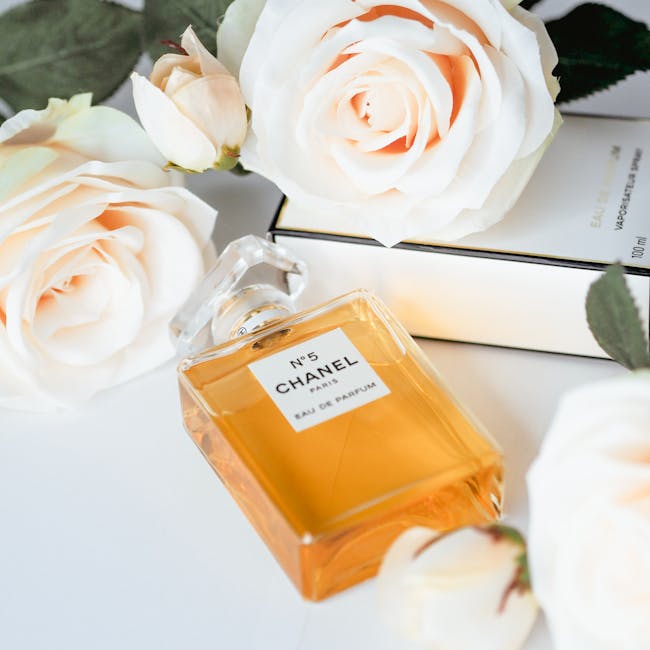
The one everyone recognizes on strangers in hotel lobbies without knowing why. Creamy sandalwood, cardamom, a thread of leather. It made niche fragrance feel like an identity rather than an accessory, and it has never stopped being right.
Shop Le Labo →On wearing it
Once you find something you love, wear it with some intention. Fragrance opens up from warmth, so the classic application points work because the skin runs warm there. Pulse points at the wrist, at the throat, behind the ears. The inside of the elbow is underrated. Avoid rubbing your wrists together after applying. That friction breaks the top notes apart before they've had the chance to develop.
As for quantity: enough that you can smell it when you're still. Not so much that it precedes you into a room. The right amount means that someone physically close to you knows exactly what you smell like. Everyone else just has a feeling about you they can't name. That unnamed feeling is the whole point.
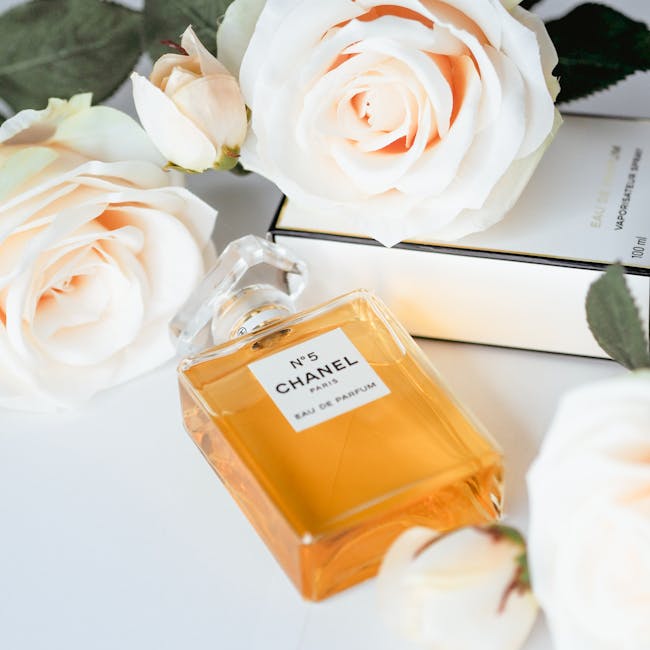
Warm, woody, floral in a way that never announces itself. It settles into your skin and becomes your skin. One of the most quietly beautiful fragrances made in the last twenty years, and still, somehow, not overexposed.
Shop Byredo →On the investment
Niche perfume is expensive. Fifty milliliters for $185 or $230 is a real number, and I'm not going to write around it. But here's the math that helped me stop hesitating: most people go through a bottle over six months to a year of regular wear. That's less than a dollar a day for the detail that shapes how people experience you.
There's also this: cheap fragrance doesn't behave the same way. The quality of ingredients, the construction of the accord, the way a formula develops over hours on real skin. None of it translates to a lower price point. You're buying a different thing, not the same thing marked up.
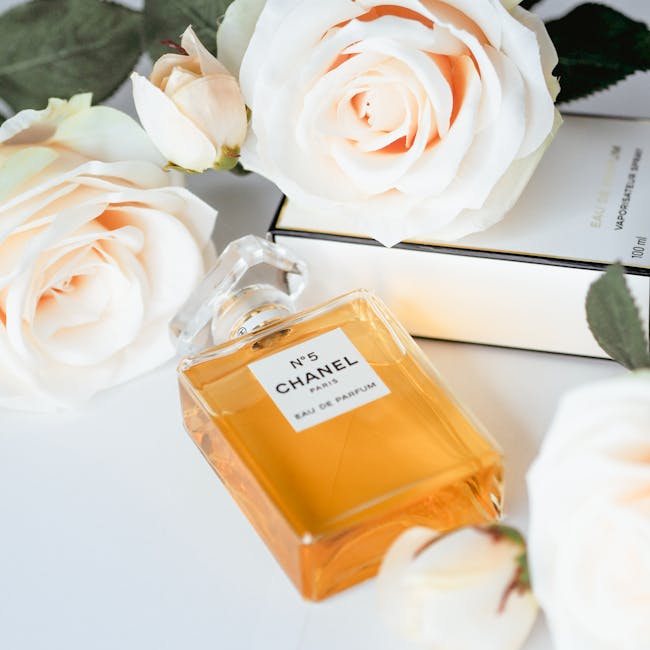
Smoked wood, toasted vanilla, warm air that smells like a Sunday afternoon that went longer than planned. The most wearable entry into this category and the one most likely to make someone lean in and ask what you're wearing.
Shop Margiela →What you're looking for
Your skin chemistry matters. The same fragrance smells different on different people. It's the reason you can't rely entirely on how something smells on someone else or on a strip of paper. Testing on skin is the only reliable method.
What you're looking for is the version that smells like it was made specifically for your body. Not impressive. Not "I'm wearing a good perfume." Just: this is what I smell like. When you find that, stop looking.
Your signature scent should work without you having to think about it. It should sit in the background of your day, present and consistent, like good furniture or a reliable coat. When you run out and go a few days without it, you feel slightly off. That particular quality of absence is how you know you found the right one.
Find the one that disappears into who you already are.
— E