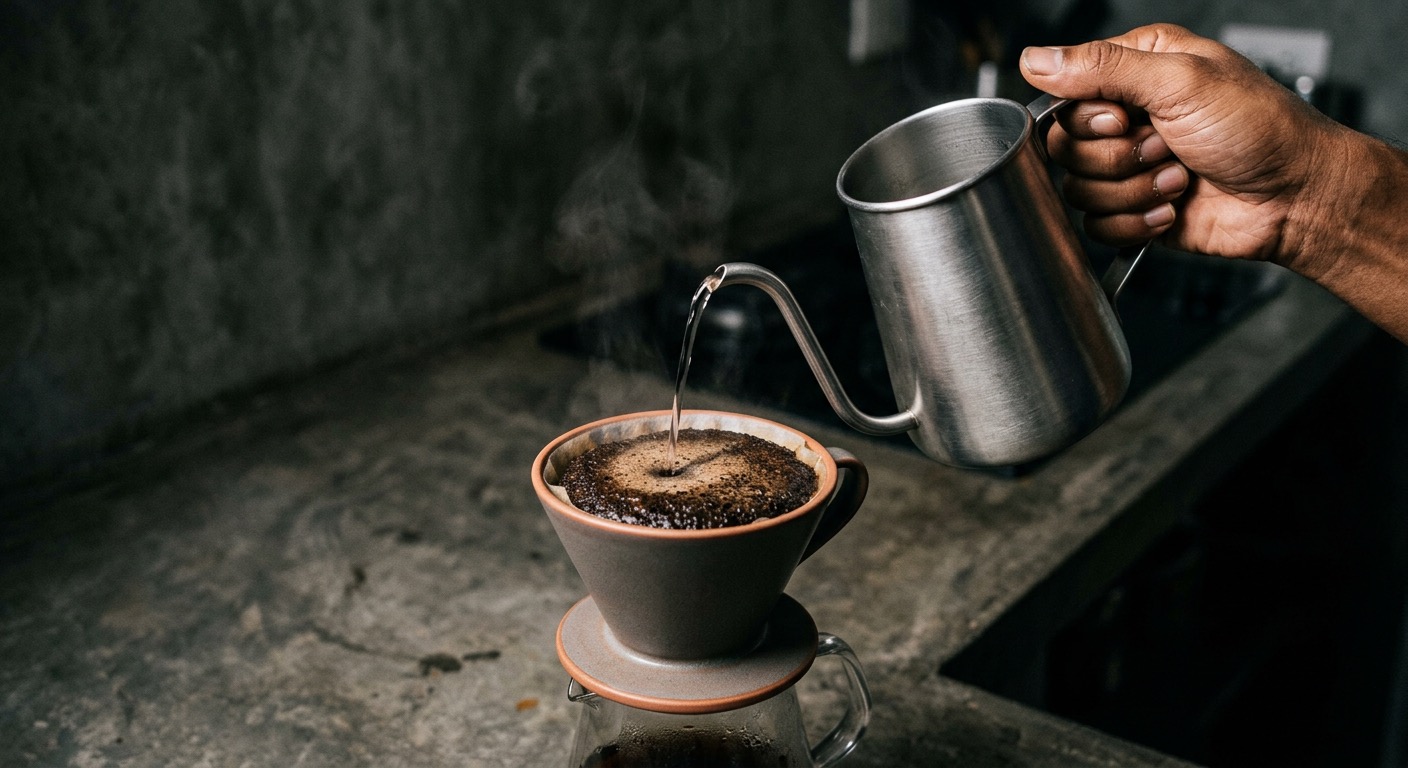
The grocery store coffee problem is freshness. Most bags sitting on a shelf were roasted weeks or months ago. Specialty coffee is at its best between seven and thirty days post-roast. After that, the complexity fades. The bright notes go flat. You are left with coffee that is technically fine and actually boring.
A subscription fixes this. You get coffee roasted to order, shipped directly, arriving when it is actually good. The question is which subscription is worth your recurring spend.
Trade Coffee — the best place to start
Trade Coffee is a marketplace model. They work with over fifty independent roasters across the country and match you to coffees based on your brewing method, roast preference, and flavor notes. You are not locked into one roaster. The algorithm learns from your feedback and adjusts.
The practical advantage here is variety without commitment. You can sample Onyx, Stumptown, George Howell, Coava, and dozens of others through one subscription. The pricing is roaster-dependent but the markup is reasonable. Most bags land between $17 and $22 for twelve ounces.
Trade is the right first subscription if you are still figuring out what you like. It is also the right ongoing subscription if what you want is to keep encountering excellent coffee without having to do the research yourself.
A curated marketplace across 55+ roasters. Matches you to coffees based on your preferences and brewing method. Roasted to order. The best subscription if you want discovery over loyalty.
Shop Trade Coffee →Onyx Coffee Lab — the best coffee, objectively
Onyx Coffee Lab out of Rogers, Arkansas has won more Good Food Awards and roaster competitions than almost any other roaster in the country. The quality is not marketing. It shows up in the cup.
Their subscription offers single origin coffees sourced with an unusual level of traceability. The bags come with information about the farm, the processing method, and the harvest date. This is not decoration. Washed versus natural processing produces dramatically different flavor profiles, and understanding what you are tasting is part of what makes specialty coffee interesting rather than just expensive.
The pricing is higher than Trade. A twelve-ounce bag of Onyx runs $22 to $28 depending on the origin. The subscription offers a small discount and flexible frequency. If you know what you like and you want the best version of it consistently, Onyx is the answer.
Intelligentsia — for the pour over person specifically
Intelligentsia has been doing direct trade sourcing since 1995, long before it was a selling point. The Chicago-based roaster consistently produces coffees that perform well in pour over brewing, where clarity and brightness matter most. Their Black Cat Espresso is also exceptional, but the single origin light roasts are where they genuinely stand apart.
The subscription is flexible on grind size, frequency, and origin. Intelligentsia offers a discovery subscription that rotates through their current releases, or you can lock into a specific coffee if you find one you want to stay with.
The customer service is good. Returns and swaps are handled without friction, which matters in a subscription product where you are occasionally getting something you did not expect to like.
Direct trade since 1995. Single origins that perform well in pour over. Bright, clean, and specific. The subscription handles grind size and frequency with no friction.
Shop Intelligentsia →What makes a subscription worth it
Freshness as the baseline
Any subscription you choose should ship coffee roasted within the past few days and have a roast date printed on the bag. If the roast date is not on the bag, find a different subscription. Freshness is the whole point. A subscription that does not prioritize it is just expensive grocery store coffee with better branding.
Grind at home if you can
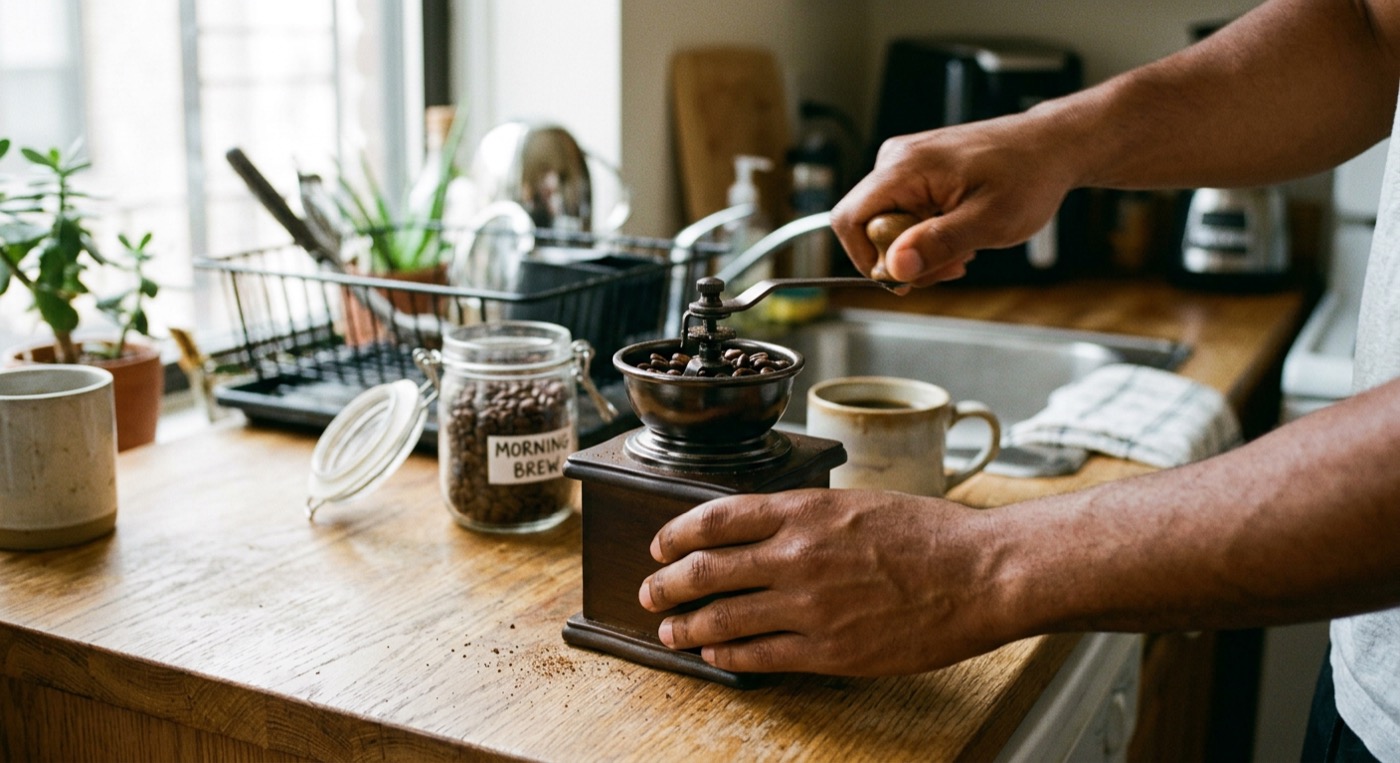
Pre-ground coffee goes stale faster than whole beans. If you can get a hand grinder, even a basic one like the Timemore Chestnut C2, you will notice a difference immediately. The oils that carry flavor degrade within days of grinding. Whole beans hold for two to four weeks properly stored.
How often to receive
Most people over-subscribe. One twelve-ounce bag every two weeks is the right cadence for a single daily drinker brewing six to eight ounces at a time. Two weeks keeps you in the freshness window without bags stacking up. Adjust based on how fast you actually go through coffee, not how fast you think you will.