The matcha market right now is a mess. Every brand slaps "ceremonial grade" on the label because there is no governing body to stop them. That phrase legally means nothing. What matters is where the tea was grown, when it was harvested, how it was processed, and whether the color is the deep viridian it should be or the olive dull it shouldn't.
There are a handful of brands that actually earn the ceremonial label. There are also brands that have excellent marketing and mediocre matcha. Here is the distinction.
Ippodo Tea Co.: the benchmark
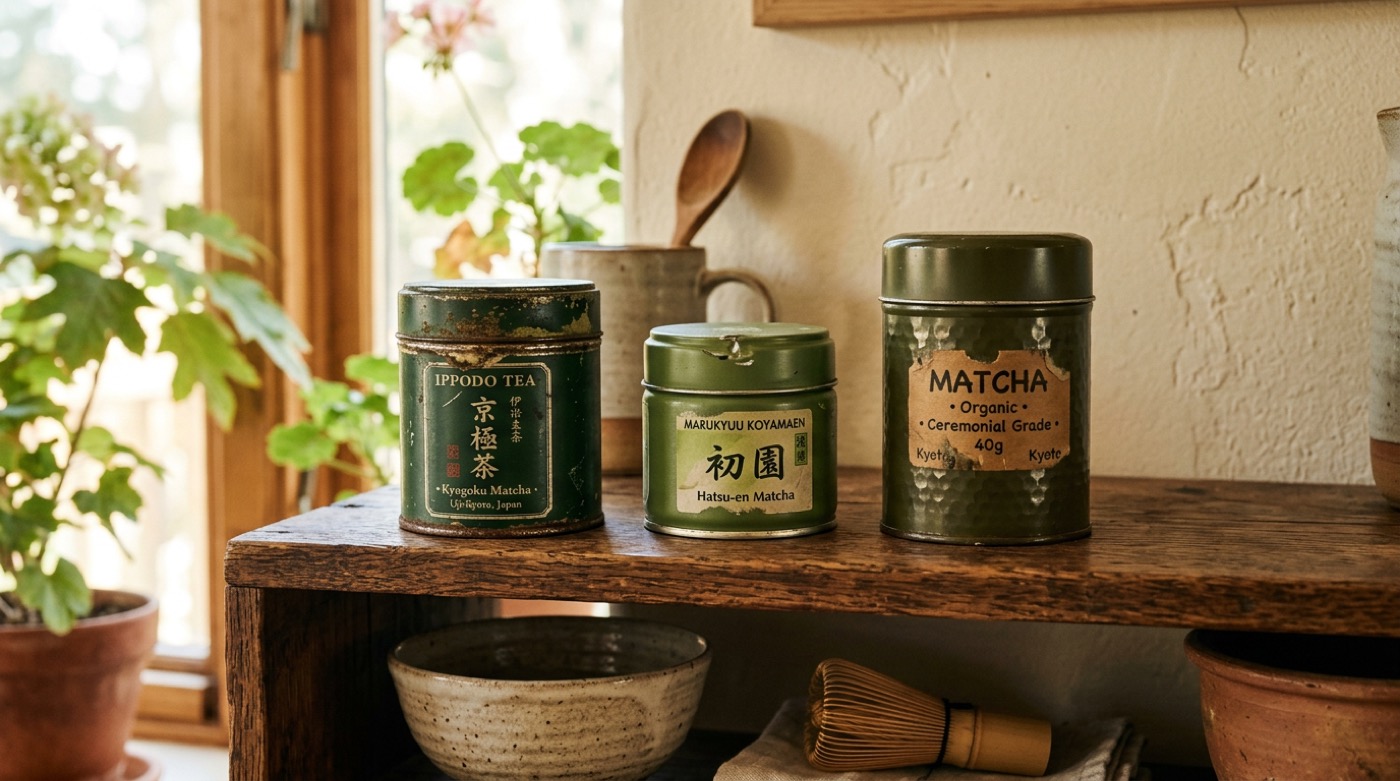
Ippodo has been operating out of Kyoto since 1717. They are not trying to appeal to wellness trends. They are a tea company that knows exactly what they are doing and has been doing it for three hundred years.
Their Kan-oku and Ummon grades are the reference point against which everything else gets measured. The flavor is complex without being aggressive: umami-forward, slightly sweet on the finish, no bitterness when prepared at the right temperature. The color is the green you are looking for.
The price is higher than most brands you will find on Amazon. That is appropriate. You are buying quality, origin, and three centuries of institutional knowledge about tea. Use the smaller tins until you know your preferences, then buy larger.
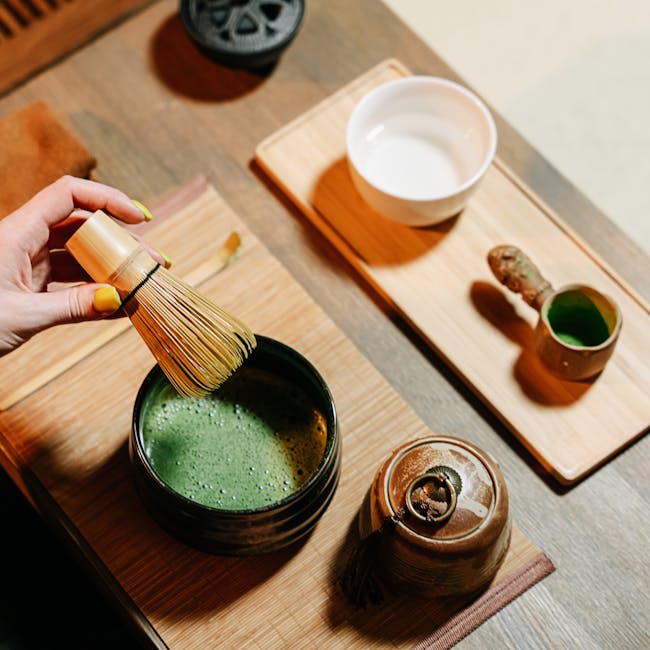
Uji, Kyoto. First harvest. Stone-ground. The flavor is what matcha actually tastes like when it is done correctly. Everything else is a variation.
Shop Ippodo →Encha Organic: the honest everyday option
Encha sources from a single farm in Uji and sells direct. The Ceremonial Grade is USDA organic, first harvest, and significantly more affordable than Ippodo without a significant drop in quality. For daily drinking, this is the practical answer.
The flavor profile is cleaner and less layered than Ippodo's top grades, but the color is right and the umami is real. It is not a consolation prize. It is a genuinely good product at a price that does not require you to budget around it.
Matchabar Ceremonial: Brooklyn-made, Japan-sourced
Matchabar is a New York brand that takes sourcing seriously. Their ceremonial grade comes from Uji and the flavor skews slightly grassy and sweet, which makes it particularly good if you prefer a brighter, lighter cup. The packaging is also excellent, which matters for a daily ritual object.
It is slightly more available than Ippodo for US buyers and the quality is consistent. Not as complex as Ippodo's top tier, but genuinely ceremonial grade and worth buying.
What to avoid
Without naming a single brand, the pattern is predictable: if the label says ceremonial grade and the price is under $15 for 30 grams, it is not ceremonial grade. It is culinary grade in ceremonial packaging. The bitterness you taste when you make it in water is the evidence.
The other tell is color. True ceremonial grade matcha is a vivid, almost electric green. Anything that looks muted, yellow-green, or olive was harvested late, processed poorly, or has been sitting in a warehouse for too long. Fresh ceremonial matcha practically glows.
Several heavily-marketed wellness brands sell matcha at a premium that the quality does not support. The branding is beautiful. The matcha is not. Spend your money on Ippodo or Encha and drink the difference.
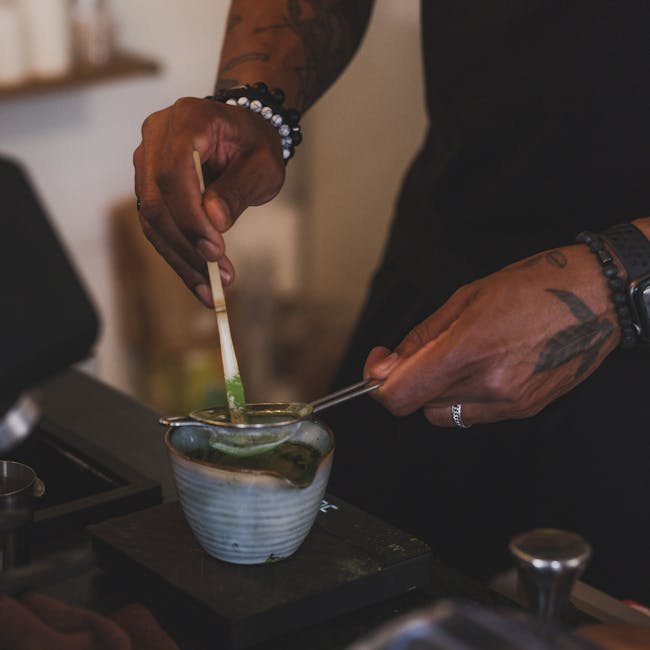
Single farm, Uji origin, USDA organic. First harvest. The everyday option that doesn't require a compromise.
Shop Encha →Storage matters as much as sourcing
Once you have good matcha, protect it. Keep it in an airtight container away from light, heat, and air. The freezer is actually the correct storage for longer periods. Take out only what you will use in the next few weeks. Matcha oxidizes, and oxidized matcha loses the umami and turns bitter. Good sourcing undone by poor storage is a waste of good sourcing.
The tin most matcha comes in is not sufficient for long-term storage after opening. Decant into a smaller airtight container if you buy large quantities.