People frame this like a winner-takes-all coffee argument. It is not. The real question is whether you want coffee made with ease or coffee made with attention.
Both can produce an excellent cup. The difference is texture, clarity, and how much of yourself you want to put into 7 a.m.
The French press morning
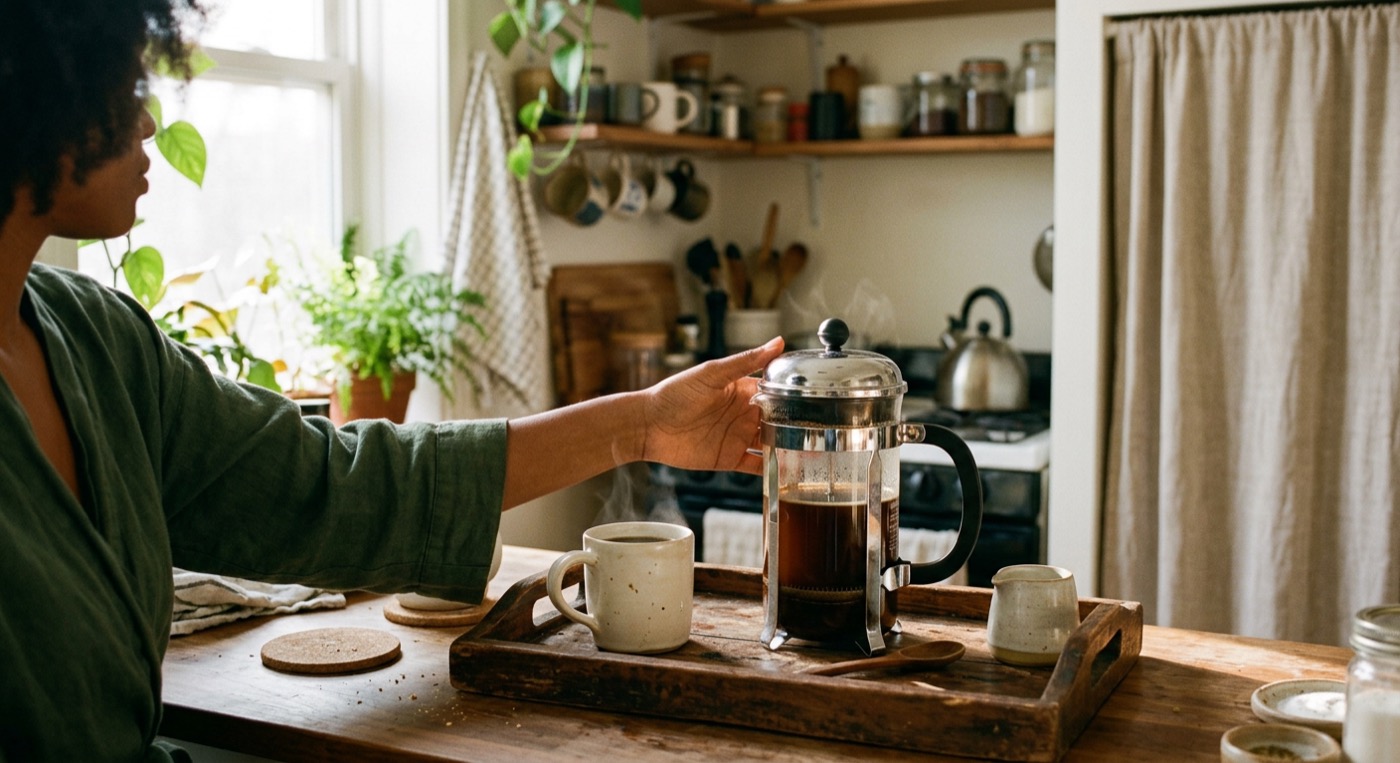
Coffee in, hot water in, wait four minutes, press, pour. That is why people love it. The ritual is brief and the margin for error is generous.
French press is an immersion method, so the grounds sit fully in the water and the metal filter lets oils and fine particles into the cup. That is where the body comes from. The texture is fuller, rounder, less filtered in every sense.
What you lose is precision. Those same oils and fines soften the sharp edges of the flavor, so a bright coffee tastes broader and muddier than it would through paper.
The upside is forgiveness. Grind consistency matters less. Your pour does not need ballet training. If you need coffee to happen before your brain is fully online, the French press has mercy.

Stainless steel frame, borosilicate glass, classic proportions. The Bodum Chambord is still the French press most people should start with.
View on Amazon →The pour over morning
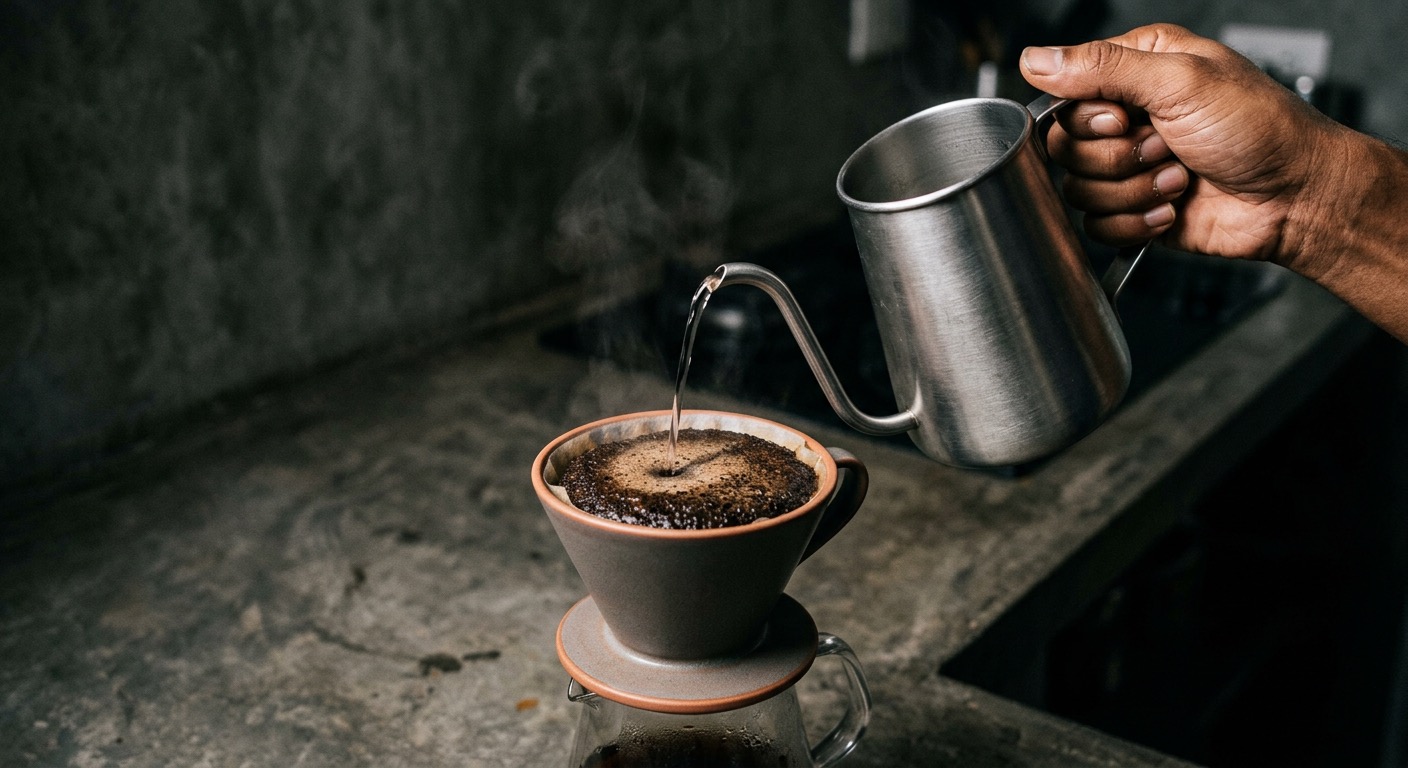
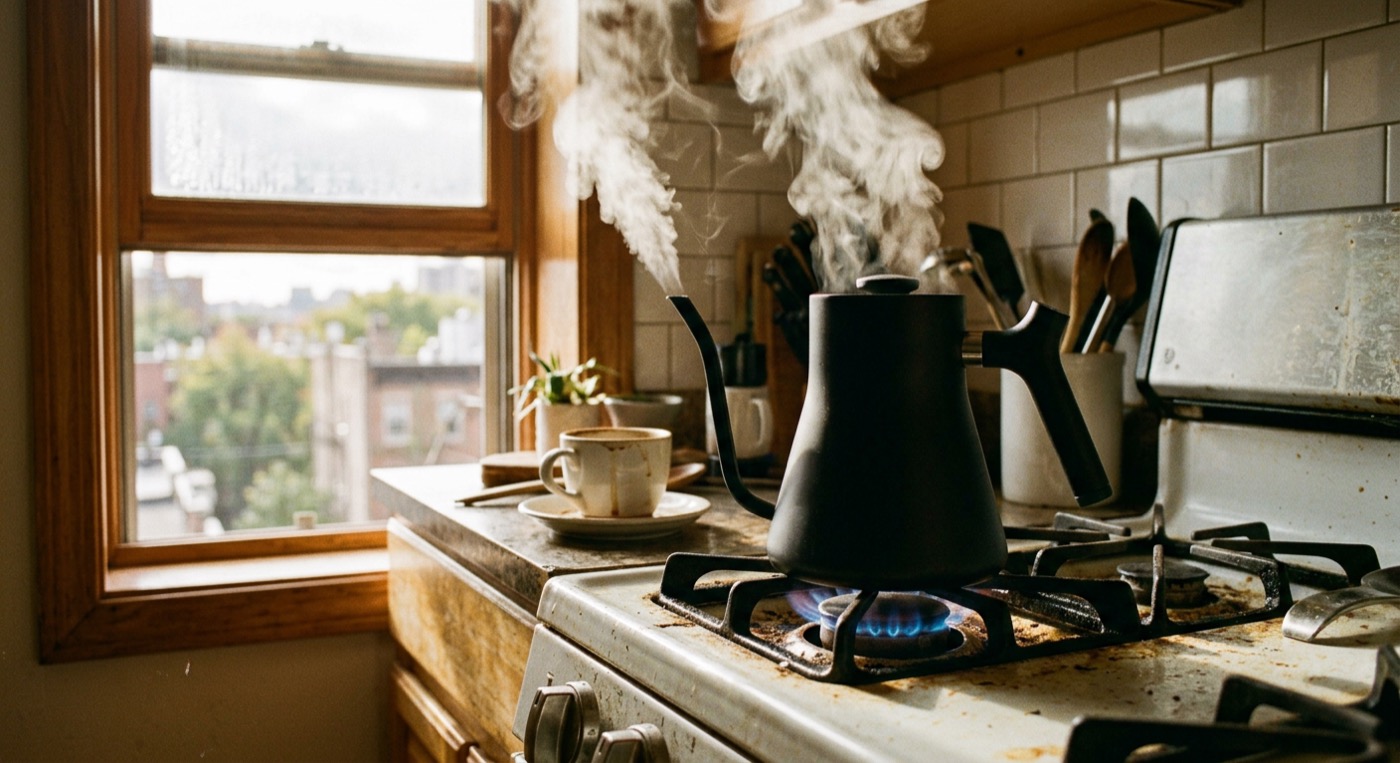
Pour over is slower on purpose. Water at 200°F, a short bloom, then steady circles from a gooseneck kettle while the coffee drains through paper into the vessel below.
Because the paper catches oils and fines, the cup comes out cleaner and more articulate. A light roast that tastes like citrus or jasmine will say so clearly here. In a French press, those details blur together.
Pour over also asks more of you. You want the right kettle, a scale, and a little attention to pace. To the wrong person, that is tedious. To the right person, it is the part of the morning that puts their head back on straight.
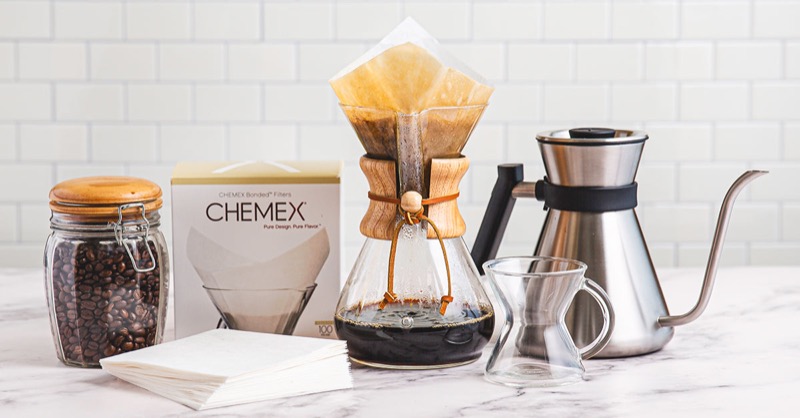
Glass carafe, wooden collar, leather tie. The Chemex remains one of the best-looking brewing objects ever made, which does not hurt.
View on Amazon →The Fellow Clara: the design-forward French press
The Fellow Clara matters because it fixes the usual French press complaints without turning the thing into a gadget. Double-wall stainless steel keeps coffee hot, the filter is finer than the Bodum's, and the lid pours cleanly instead of dribbling down the side.
It costs more, yes. You are paying for a more considered object and a cleaner cup. Low-key, this is the upgrade for people who are done pretending the cheap press is fine.
How to decide
Buy a French press if you want body, simplicity, and enough coffee for two without much technique.
Buy a pour over if you care about clarity, enjoy a little precision, and drink lighter roasts that reward attention.
Most serious coffee drinkers end up with both because both earn a place. French press for the rushed mornings. Pour over for the quiet ones.
Choose based on who you are at 7 a.m. My grandmother would say drink it hot and quit complaining. She would still be right.