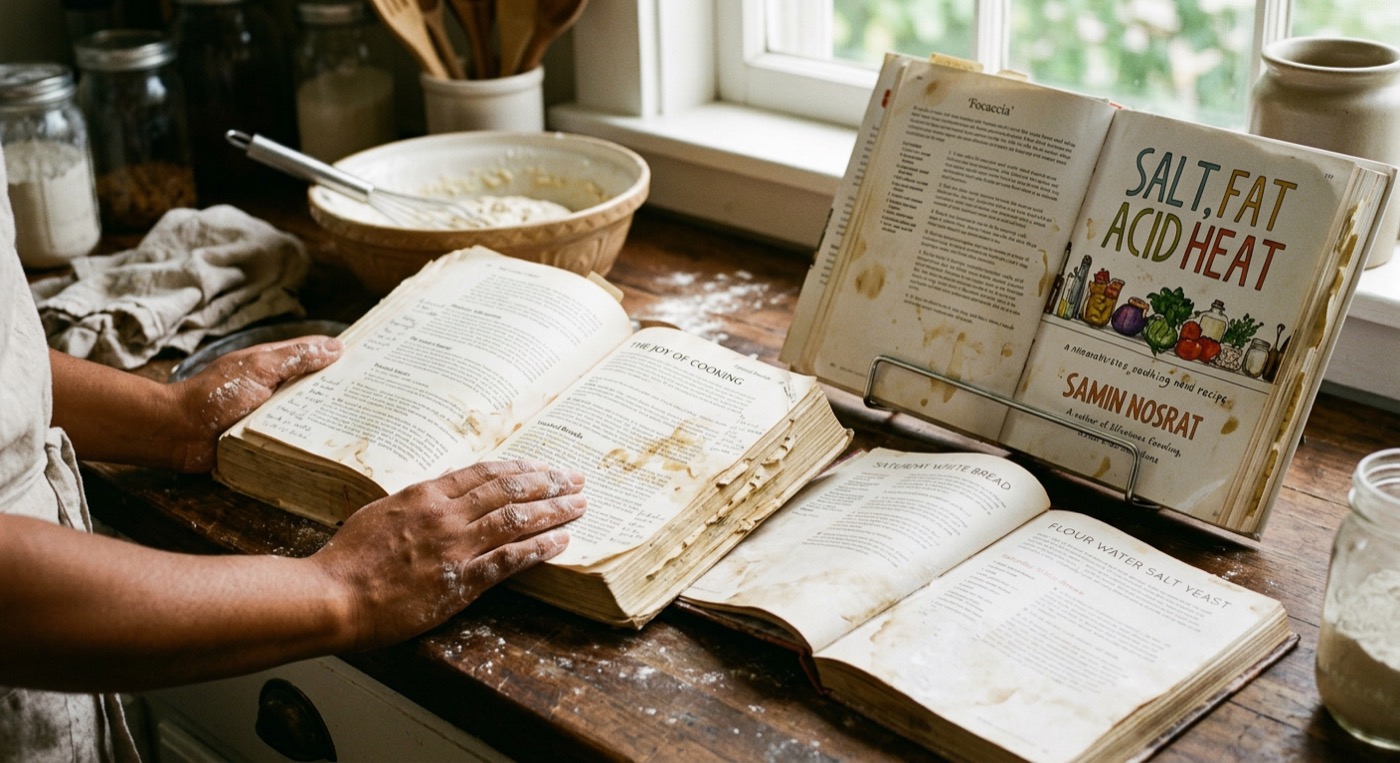
Most cookbooks are furniture. They look good on a shelf, get consulted once, and never develop the wrinkled pages and oil-spotted margins that a real cooking book earns over time. The ones worth buying are the ones that change how you think about food, not just what you make on a Tuesday.
There are three I keep going back to. Three that fundamentally shifted something. These are them.
Salt Fat Acid Heat by Samin Nosrat
This book taught me how to cook, not just how to follow a recipe. Nosrat breaks cooking down into four variables: salt, fat, acid, and heat. Once you understand what each one does and why, you stop needing to look everything up. You start tasting and adjusting instead of measuring and hoping.
The idea is that every dish that works well has all four elements in balance. Too much salt: obvious. Too little acid: your food tastes flat and you can't figure out why. Once you name the thing, you can fix it. This book names the thing.
The illustrations by Wendy MacNaughton are worth mentioning. They make the book feel warm and approachable instead of clinical. You want to read it even when you're not cooking.
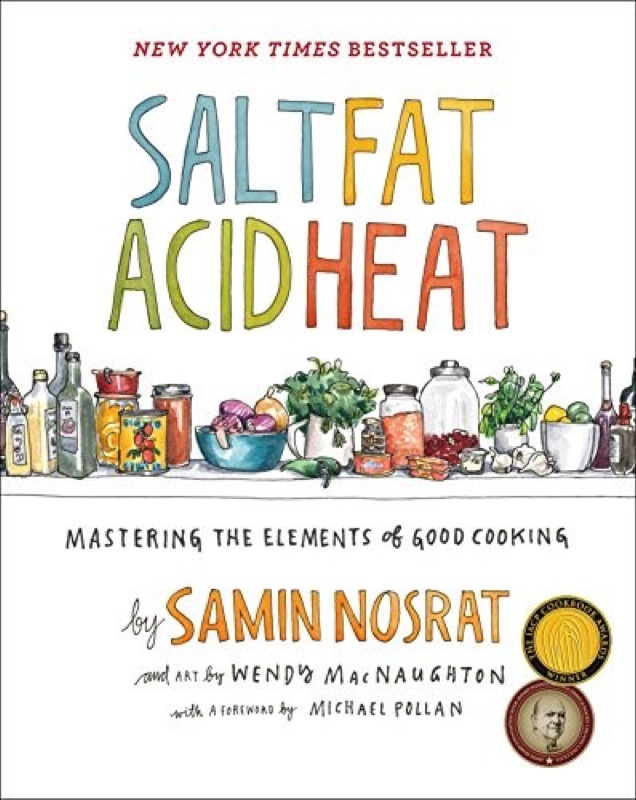
The book that teaches you to cook instead of just follow instructions. Buy it even if you never cook from it. The first hundred pages alone are worth the price.
Buy on Bookshop.org →The Food Lab by J. Kenji Lopez-Alt
This is the book for people who need to know why before they can trust the how. Kenji Lopez-Alt is a food scientist who spent years testing every variable in home cooking. He explains why you should salt your pasta water aggressively, why you should dry brine your chicken overnight, why resting meat actually matters and by exactly how much.
It is long. Almost a thousand pages. You are not going to read it cover to cover, and that's fine. Use it like a reference. When you want to understand something about cooking rather than just execute it, go here. The section on burgers alone will change your weekends.
The tone is conversational and funny, which matters in a book this dense. Kenji sounds like someone explaining things across a kitchen counter, not lecturing from a textbook.
Plenty by Yotam Ottolenghi
Ottolenghi changed how a generation of home cooks thought about vegetables. Plenty is a vegetarian cookbook, but that's not really what it is. It's a book about abundance, about layering flavors and textures, about making a plate of roasted carrots feel like a complete meal.
The recipes require effort. This is not a weeknight shortcuts book. You will need multiple bowls. You will use ingredients you have to look for. But the results are specific in a way that grocery-store recipe cards simply aren't.
Even if you eat meat every day, Plenty is worth owning for the vegetable techniques alone. The way Ottolenghi handles eggplant, fennel, and cauliflower is something you will return to constantly.
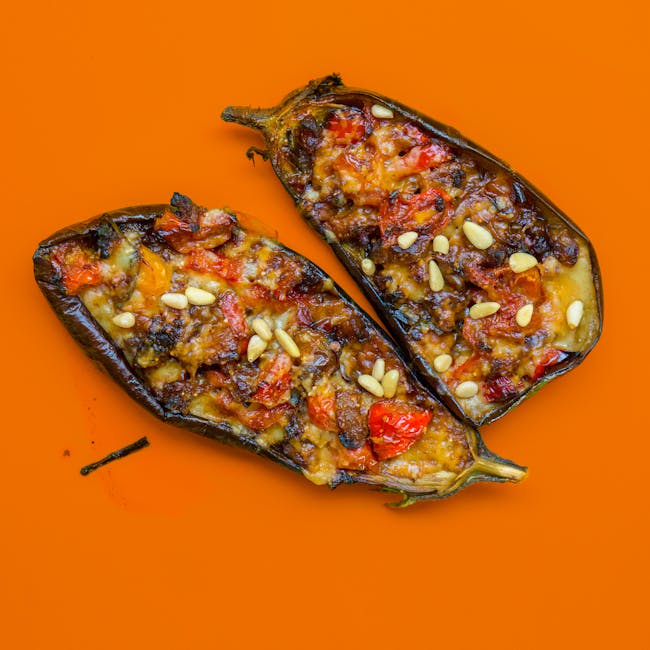
Vegetables treated as the main event, not the side. The book that made an entire generation reconsider what a plate of food could be.
Buy on Bookshop.org →What a cookbook actually needs to do
A cookbook that sits on a shelf is just decor. A cookbook that works is one you use until the spine cracks. The three above earn their place not because of the recipes but because of what they teach you alongside the recipes. You come out the other side a different cook.
Buy them on Bookshop.org if you can. It's the same price as Amazon, and a portion of your purchase goes to independent bookstores. On a $30 cookbook, that's a better trade.