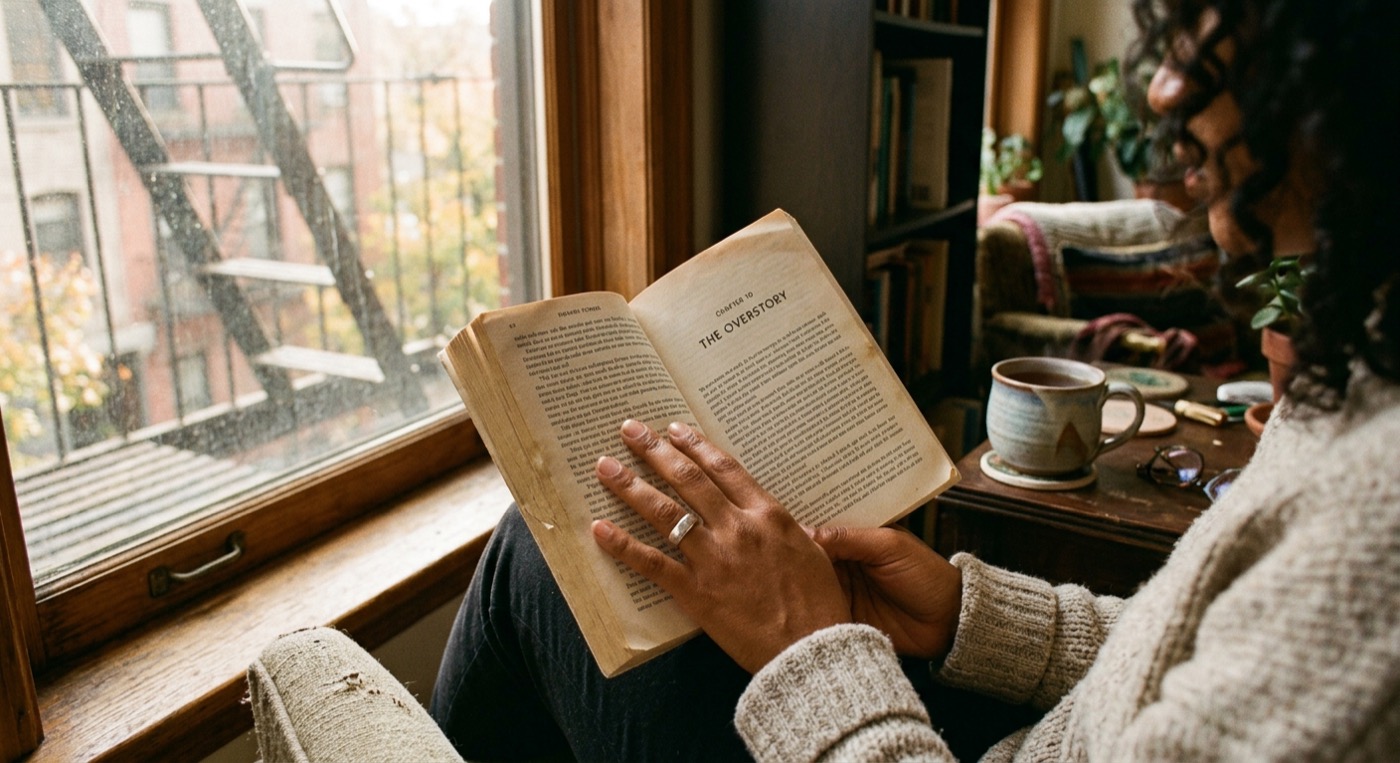
A book sitting on the table does something a screen never quite does. It waits. No alerts, no glow, no little tug to become three other things before you can settle into one.
That quiet is part of why physical books still matter. Not as a moral statement about technology. Just as a different way of meeting a text.
I am not interested in fake nostalgia about paper. E-readers are useful. Phones are useful too. The point is that the object in your hand changes the state you bring to the words.
You can feel your place in it
With a physical book, progress has weight. The pages move from one hand to the other. The ending becomes visible before it arrives. You know where you are not just intellectually, but physically.
A screen flattens that experience. A novel, an email, and a group chat all live on the same bright rectangle. Your body reads that sameness even when your mind knows better.
The inconvenience is useful
A physical book makes multitasking annoying. Good. That is one of its best qualities.
When both hands are occupied, your attention stops scattering so easily. That is where deeper reading happens, not in speed, but in the pause after a sentence lands and your mind has somewhere to put it.
People say the content is the same, and technically it is. But the condition of your attention changes the content you are able to receive. That part is not small.
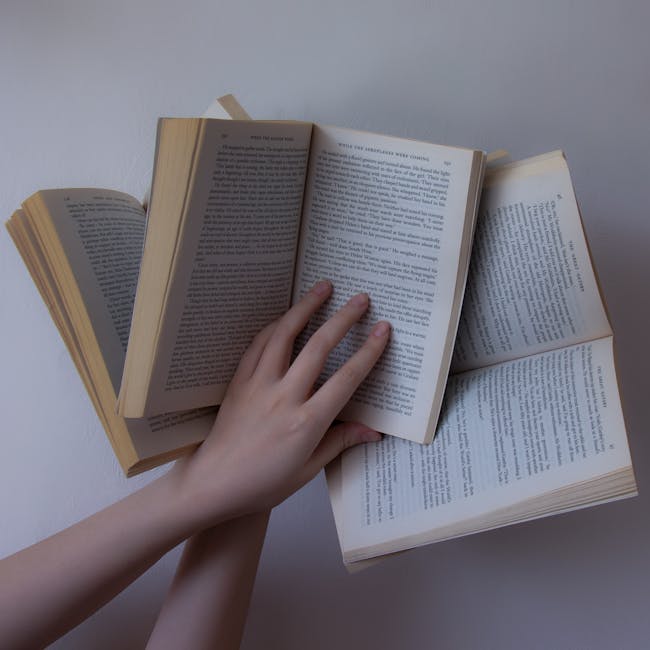
Calvino makes imaginary cities feel more revealing than real ones. Short, strange, exact. A slim book with a long afterlife.
Buy on Bookshop →The marked-up copy becomes yours
Write in the margins if the book earns it. Underline the line that got under your skin. Circle the word you want to keep. A used book with your own marks in it becomes a record of who you were when you first met it.
Digital highlights are efficient. Handwriting in the margin is intimate. One stores information. The other stores a version of you.

Not witchy decoration, the real thing. Warwick writes with seriousness, which is exactly why the book stays interesting.
Buy on Bookshop →Objects teach you how you live
The things you keep near you are part of your inner architecture. Nightstand, table edge, bag pocket, all of it tells the truth about what you reach for when nobody is watching.
A physical book can hold evidence of a life: the bent cover, the receipt used as a bookmark, the note you forgot inside. That is not sentimental fluff. It is what objects do when they stay with you long enough.
Reading is not just what you consume. It is how you let something enter you. A book that lives in the room has a better chance of getting read than one that lives as a future intention in a wishlist.
Keep one within reach
You do not need a reading system. You need the book nearby.
Put one where you usually reach for your phone. Bedside. Couch. Kitchen table. Make the better choice one inch easier.
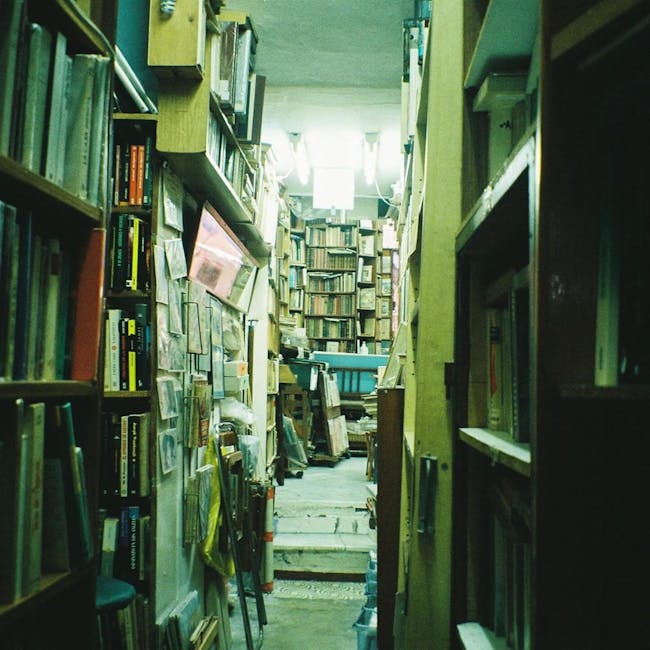
If you are buying books anyway, buy them somewhere that sends real money to independent stores. Same purchase, better direction.
Visit Bookshop →The case for physical books is simple. Objects shape behavior. A good book, sitting there quietly, changes what your hand does next.
Choose well, then leave it where you can see it.