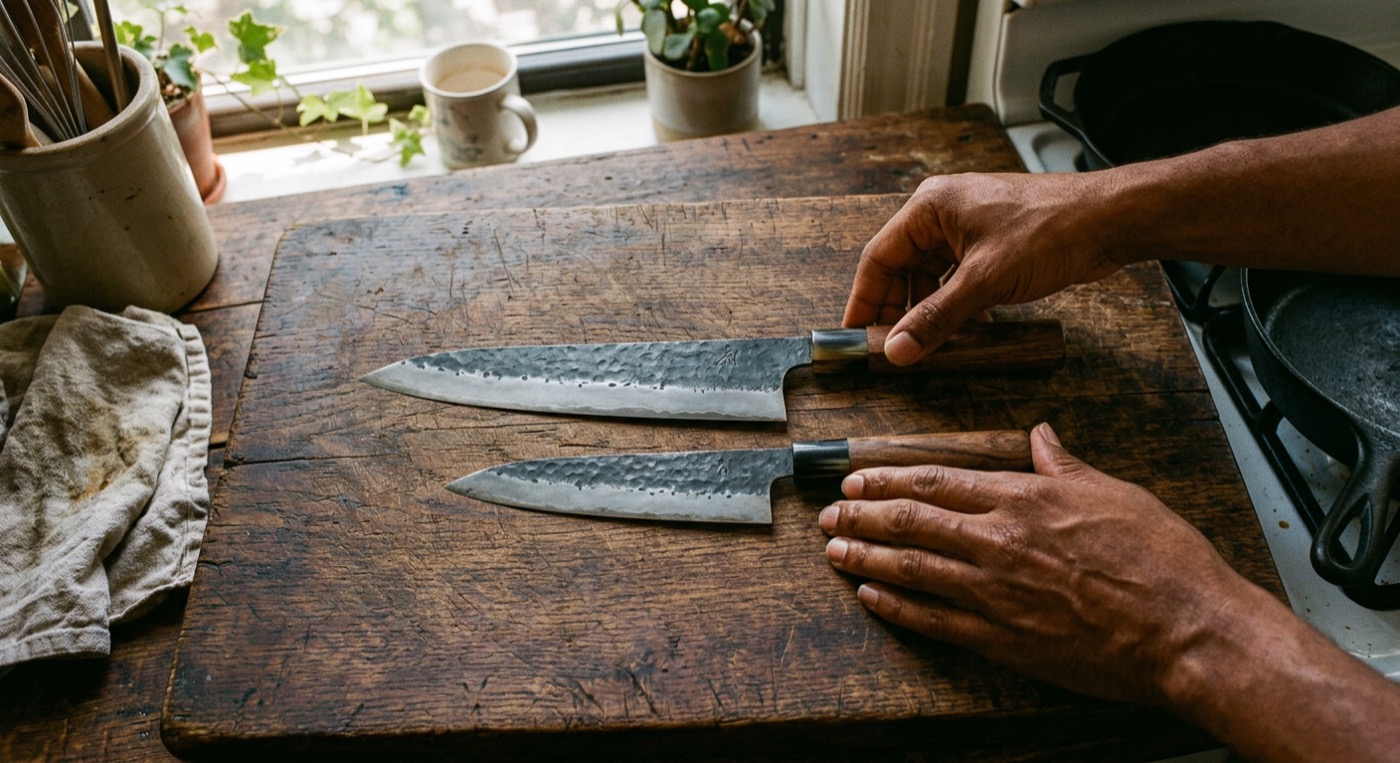
My grandmother had one drawer knife and made dinner anyway. A Japanese knife is not better because it is more romantic. It is better when the steel is harder, the edge is thinner, and the geometry lets food part cleanly instead of getting mashed.
The tradeoff is care. Harder steel chips faster if you treat it rough. No glass boards, no hacking through bones, no scraping garlic off the board with the edge like you are punishing it.
If that sounds annoying, buy German and live your life. If it sounds reasonable, keep going.
The one to start with: Tojiro DP Gyuto
The Tojiro DP Gyuto is the first Japanese knife I point people toward because it does the basics beautifully. VG-10 core, stainless cladding, sharp out of the box, easy enough to maintain once you learn the rhythm.
It is usually under $100, which is why it keeps earning the recommendation. The balance is slightly forward, the handle is plain, and nothing about it is trying to seduce you with drama. It just works.

VG-10 steel, strong edge retention, no nonsense. The beginner knife that does not feel beginner once it is in your hand.
Buy on Amazon →The step up: Mac Professional MTH-80
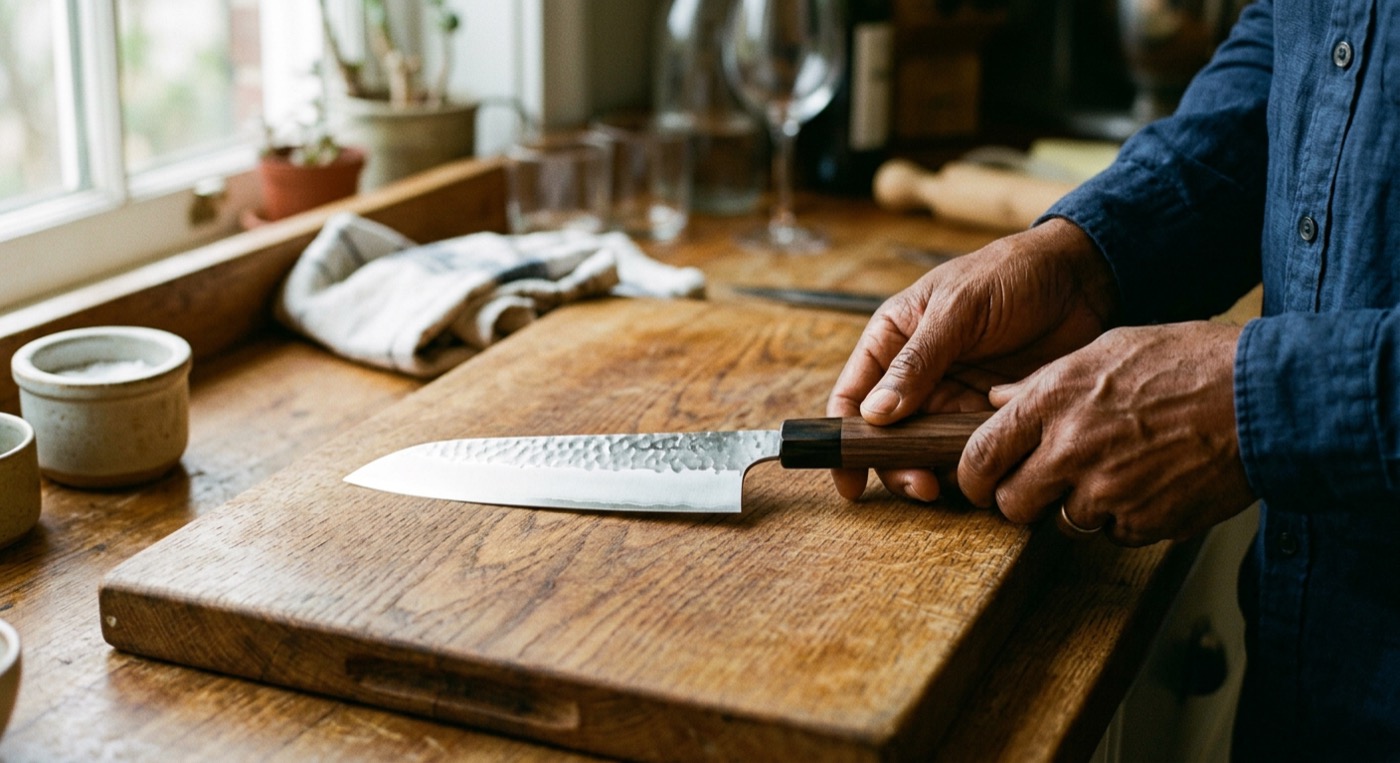
The Mac Professional MTH-80 sits in a sweet middle ground. Harder steel, very fine cutting feel, and those dimples along the blade actually do help reduce drag on dense vegetables.
It also feels more familiar if you are coming from a Western chef's knife. The handle shape is easy, the balance is neutral, and the whole thing feels precise without becoming precious.
At around $150 to $165, it is more money, but still sane money for a knife cooks keep for years. This is the one that makes people understand why knife people start talking the way they do.
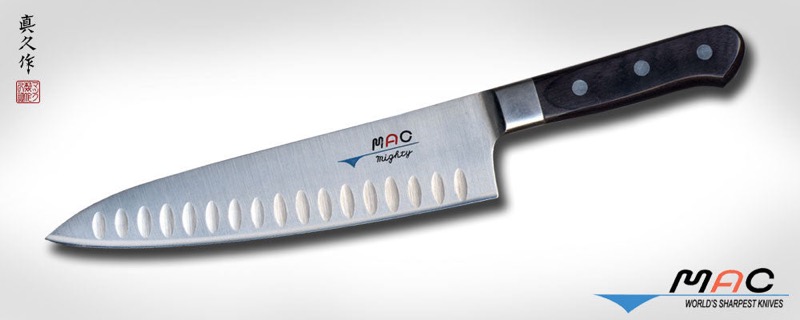
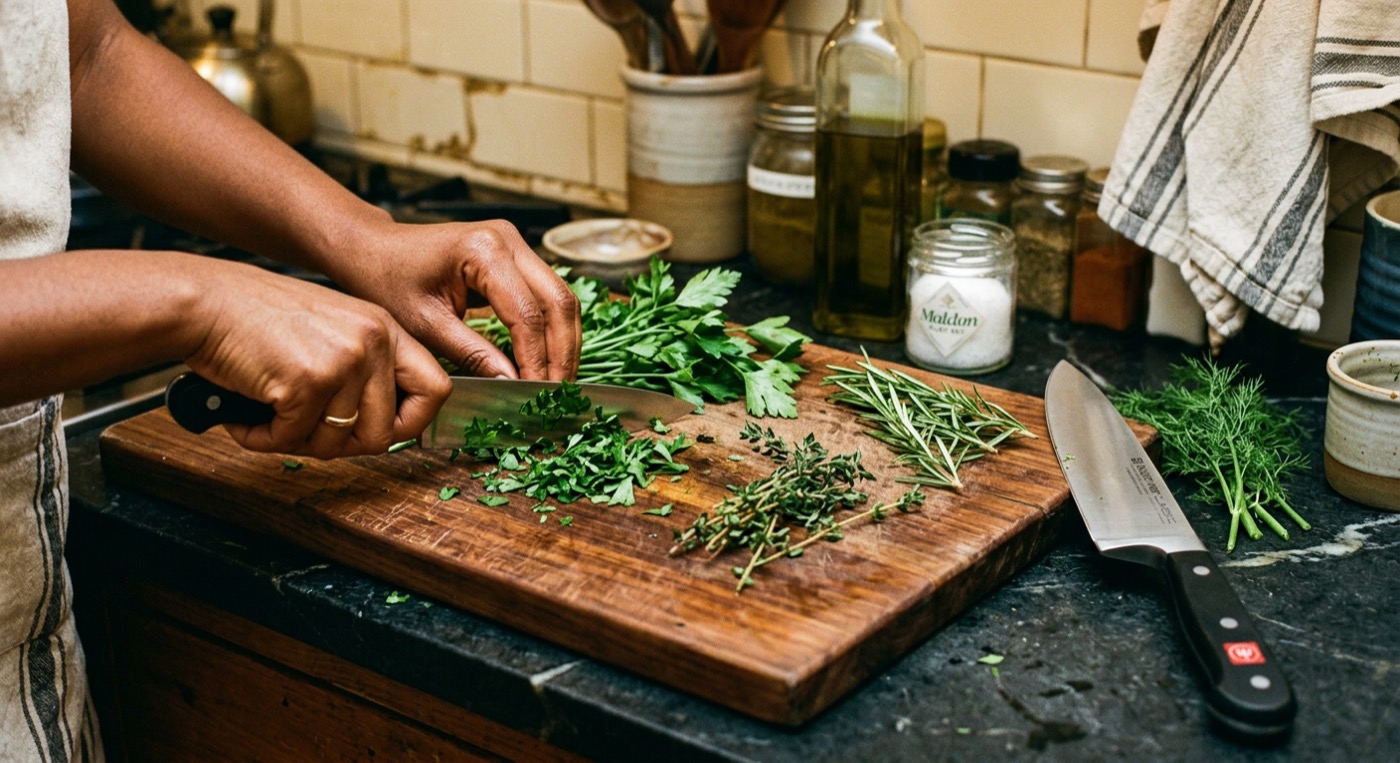
Western handle, Japanese geometry, fast through onions and herbs. Not gonna lie, this one is giving I finally know what a sharp knife is supposed to feel like.
Buy on Amazon →On the Victorinox Fibrox
The Victorinox Fibrox is not Japanese and it does not pretend to be. Softer steel, rougher finish, much lower price. It is still a very good knife.
If you are not sure you want the maintenance that comes with Japanese steel, start here. Use it hard for six months. If you keep wishing for cleaner cuts and a finer edge, then move up to the Tojiro.
What you need besides the knife
Use a wood or plastic board. End-grain wood is best if you can swing it. Glass, ceramic, and plates are how people ruin edges in record time.
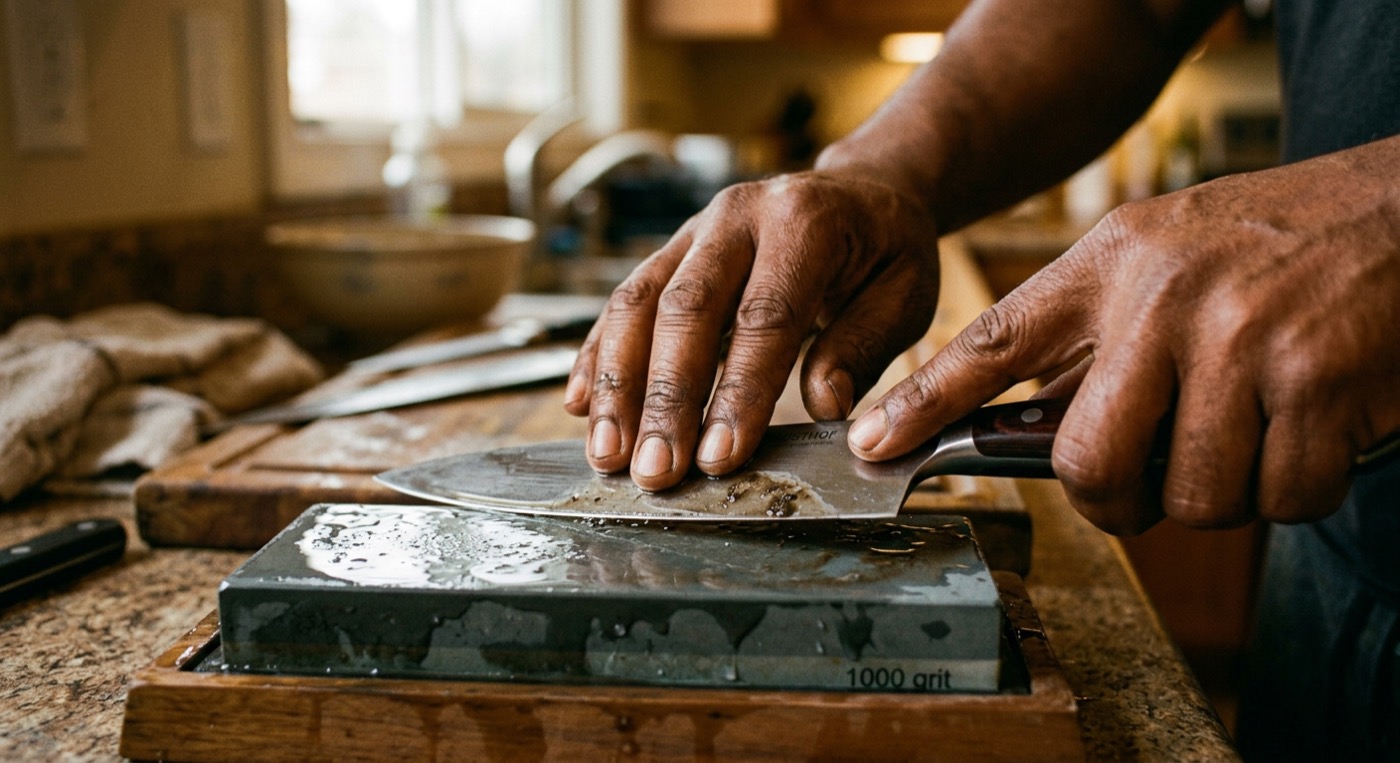
Get a 1000/6000 whetstone and learn the basics. The Shapton Glass 1000 is solid, but any good stone is better than wishful thinking. A Japanese knife asks you to participate.
Skip the regular honing steel. Use a leather strop or a ceramic rod if you want to maintain the edge between sharpenings.
My grandmother used what she had. She used it so well that we get to choose well.